
The Room
Legendary Member

- Messages
- 10,921
Top Poster #3
- Joined
- Feb 18, 2018
- Messages
- 10,921
- Reaction score
- 1,291
- Points
- 206
Learn something new today
 www.energy.gov

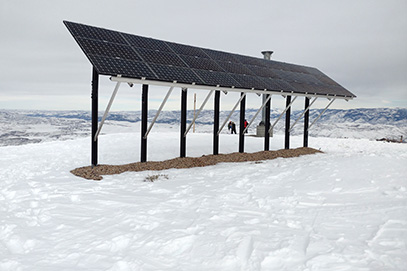
Cold weather actually increases solar panel efficiency, as temperatures above 77°F (35°C) cause decreases in voltage. Solar panels convert sunlight—not heat—into electricity. When panels get too hot, they lose efficiency. In crisp, freezing temperatures, the panels run cooler, allowing them to output electricity more efficiently than they do on a sweltering summer day
Prolonged exposure to very high temperatures significantly reduces their efficiency and can accelerate long-term degradation
Solar Photovoltaic Hardening for Resilience – Winter Weather
Provides an overview of the areas of the United States most at risk from severe winter weather and summarizes various approaches that can be taken to address these hazards throughout the entire photovoltaic production lifecycle.
Cold weather actually increases solar panel efficiency, as temperatures above 77°F (35°C) cause decreases in voltage. Solar panels convert sunlight—not heat—into electricity. When panels get too hot, they lose efficiency. In crisp, freezing temperatures, the panels run cooler, allowing them to output electricity more efficiently than they do on a sweltering summer day
Prolonged exposure to very high temperatures significantly reduces their efficiency and can accelerate long-term degradation


