
rc36v4
Active+ Member
- Messages
- 4,072
Paid Membership
- Joined
- Jan 30, 2008
- Messages
- 4,072
- Reaction score
- 14
- Points
- 25
1. Aurora Borealis (North Pole)
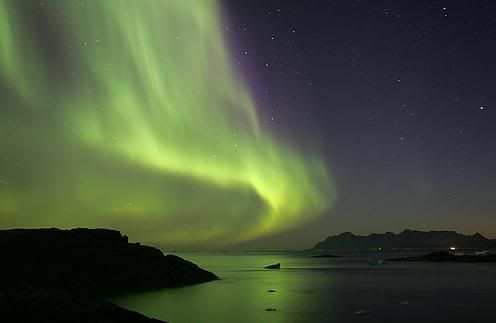
Auroras sometimes called the northern and southern (polar) lights or aurorae are natural beautiful light displays in the sky, usually observed at night, particularly in the polar regions. They typically occur in the ionosphere. The Cree people call this phenomenon the “Dance of the Spirits. Its southern counterpart, the aurora australis or the southern polar lights, has similar properties, but is only visible from high southern latitudes in Antarctica, South America, or Australasia.
2. Spain Rio Tinto
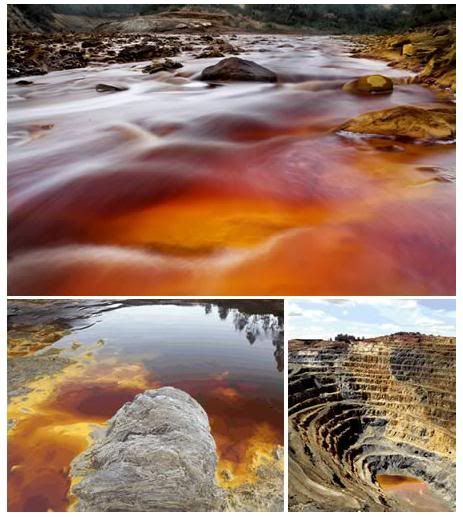
The vast mines of Rio Tinto give a hypnagogic, almost martian landscape. Its growth has consumed not only mountains and valleys but even entire villages. This river has gained recent scientific interest due to the presence of extremophile aerobic bacteria that dwell in the water.The extreme conditions in the river are analogous to other locations in the solar system thought to contain liquid water, such as subterranean Mars. Río Tinto is notable for being very acidic (pH 2) and its deep reddish hue. It is metal solvent and surely not human-friendly!
3. McMurdo Dry Valleys (Antarctica)
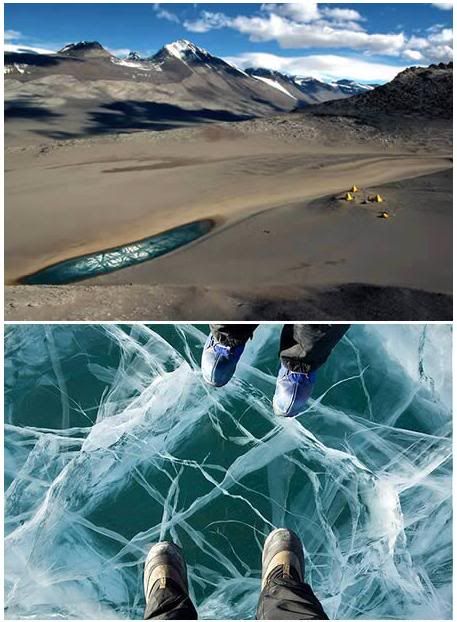
The McMurdo Dry Valleys are a row of valleys in Antarctica located within Victoria Land west of McMurdo Sound. The terrain looks like something not of this Earth; The region includes many interesting geological features including Lake Vida and the Onyx River, Antarctica’s longest river. The valley’s floor occasionally contains a perennially frozen lake with ice several meters thick. It is also one of the world’s most extreme deserts Under the ice, in the extremely salty water, live mysterious simple organisms, a subject of on-going research. Scientists consider the Dry Valleys perhaps an important source of insights into possible extraterrestrial life.
Auroras sometimes called the northern and southern (polar) lights or aurorae are natural beautiful light displays in the sky, usually observed at night, particularly in the polar regions. They typically occur in the ionosphere. The Cree people call this phenomenon the “Dance of the Spirits. Its southern counterpart, the aurora australis or the southern polar lights, has similar properties, but is only visible from high southern latitudes in Antarctica, South America, or Australasia.
2. Spain Rio Tinto
The vast mines of Rio Tinto give a hypnagogic, almost martian landscape. Its growth has consumed not only mountains and valleys but even entire villages. This river has gained recent scientific interest due to the presence of extremophile aerobic bacteria that dwell in the water.The extreme conditions in the river are analogous to other locations in the solar system thought to contain liquid water, such as subterranean Mars. Río Tinto is notable for being very acidic (pH 2) and its deep reddish hue. It is metal solvent and surely not human-friendly!
3. McMurdo Dry Valleys (Antarctica)
The McMurdo Dry Valleys are a row of valleys in Antarctica located within Victoria Land west of McMurdo Sound. The terrain looks like something not of this Earth; The region includes many interesting geological features including Lake Vida and the Onyx River, Antarctica’s longest river. The valley’s floor occasionally contains a perennially frozen lake with ice several meters thick. It is also one of the world’s most extreme deserts Under the ice, in the extremely salty water, live mysterious simple organisms, a subject of on-going research. Scientists consider the Dry Valleys perhaps an important source of insights into possible extraterrestrial life.


 subhanallah..


