Pemain-pemain Terawal Arsenal (1888-1889)
The squad of Royal Arsenal FC in 1888.
From left to right:
Front row: Morris, Babour, CharterisSeated: Brown, Connolly, Danskin
Standing: Horsington, Wilson, Beardsley, Bates (captain), McBean, Scott
Back: Parr
David Danskin, Elijah Watkins, John Humble and Richard Pearce, were four friends who worked at Royal Arsenal in Woolwich, one of the government's main munition factories. In 1886 the four men decided to form a football club. According to Arthur Kennedy, who later became vice-chairman of the club: "football was practically unknown in the district, rugger holding the sway… In this year, however, a number of enthusiasts for the soccer code, who had migrated from the North and Midlands, conceived the idea of forming an association club, with the result that a meeting was held at the Royal Oak, Woolwich".
The Arsenal historian, Bernard Joy, claims that Danskin was the main person behind this move and sent a "subscription list around the workshops to obtain the first necessity, a football." Fifteen subscribed 6d. each and Danskin made up the total to 10s. 6d. out of his own pocket.
The club was initially called Dial Square, after one of the workshops. Danskin was captain of the side and Elijah Watkins agreed to be the secretary. Fred Beardsley and Joseph Bates, who both used to play for Nottingham Forest and who had only recently found work at the Woolwich Arsenal, agreed to join the club.
Michael Wade argues in The Arsenal Story: An Official History that: "The very first Arsenal side was, in effect, a works side, formed by people who earned their livings in a vast munitions factory... The first Arsenal football team owed more than its name to this place of work - the vast munitions factory helped to supply a steady flow of players, too. In the latter part of the 19th century, the factory was probably as busy as it ever had been, producing weaponry to bolster the forces of the British Empire and caught up in the escalating arms race that preceded the First World War."
The club had its first game against Eastern Wanderers on 11th December, 1886. Each man provided his own kit and they wore shirts and trousers of different colours. Three had shin guards and nearly all the boots were ordinary pairs, with bars nailed across the soles.
Dial Square won the game 6-0 but the players were not pleased with the quality of the pitch they played on. Elijah Watkins later reported: "Talk about a football pitch! This one eclipsed any I ever heard of or saw. I could not venture to say what shape it was, but it was bounded by backyards as to about two-thirds of the area, and the other portion was - I was going to say a ditch, but I think an open sewer would be more appropriate."
At a meeting at the Royal Oak soon afterwards, the men decided to rename the club Royal Arsenal. The club also agreed to play their home games on Plumstead Common and they changed into their football kit at the nearby Star public house.
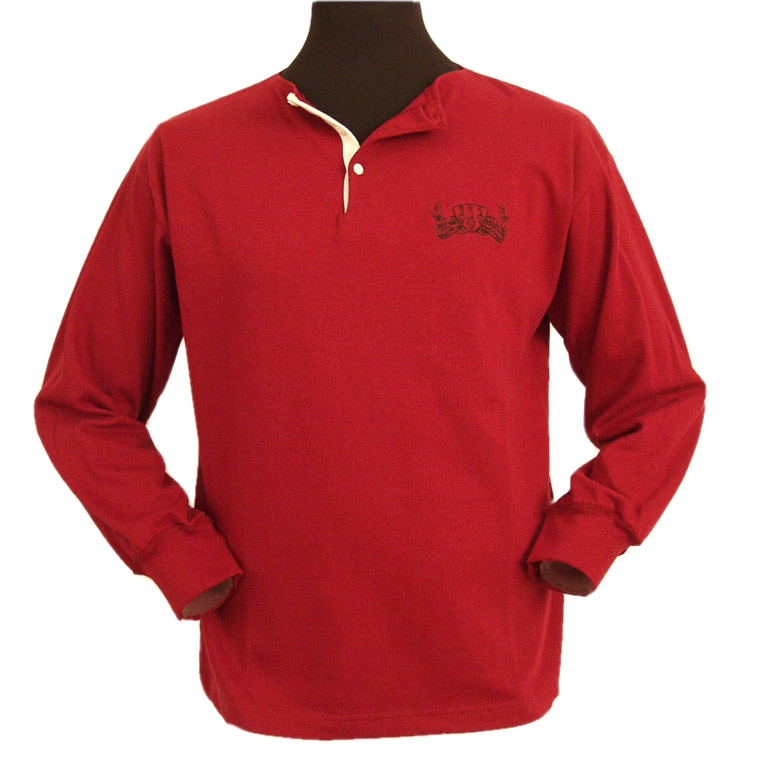
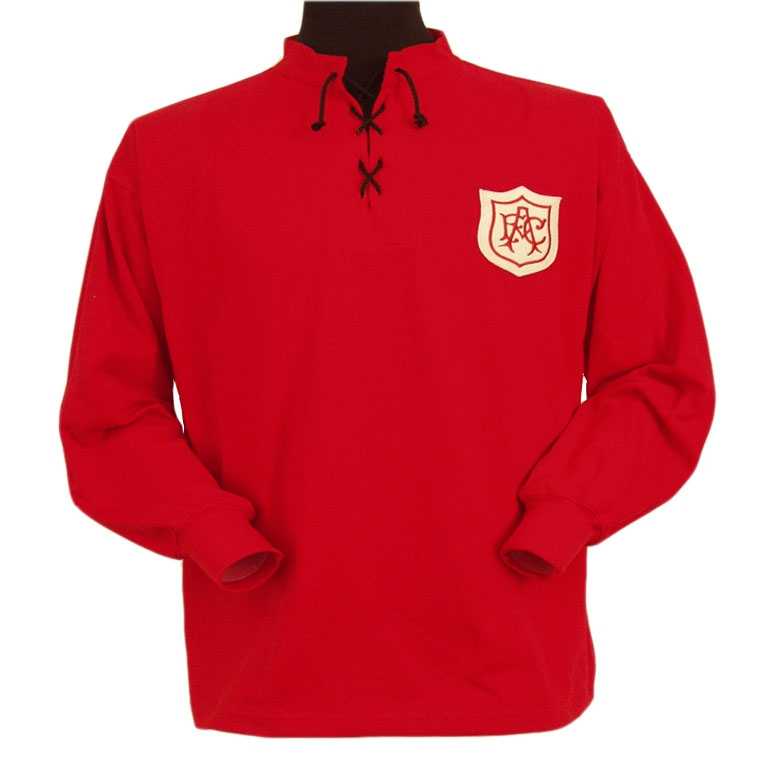
The men could not afford to buy a football kit and so Fred Beardsley decided to write to his old club, Nottingham Forest, to ask them if they could help. The club generously agreed to send a complete set of red shirts.
David Danskin also managed to recruit other workers at the factory who had previous experience of playing football at a higher level in Scotland. This included Peter Connolly, Humphrey Babour, J. M. Charteris, John McBean and W. Scott. In 1888 Richard Horsington, who had previously played for Swindon Town, also joined the club.