
hartono
Legendary Member

- Messages
- 13,342
- Joined
- Jun 26, 2012
- Messages
- 13,342
- Reaction score
- 2
- Points
- 125
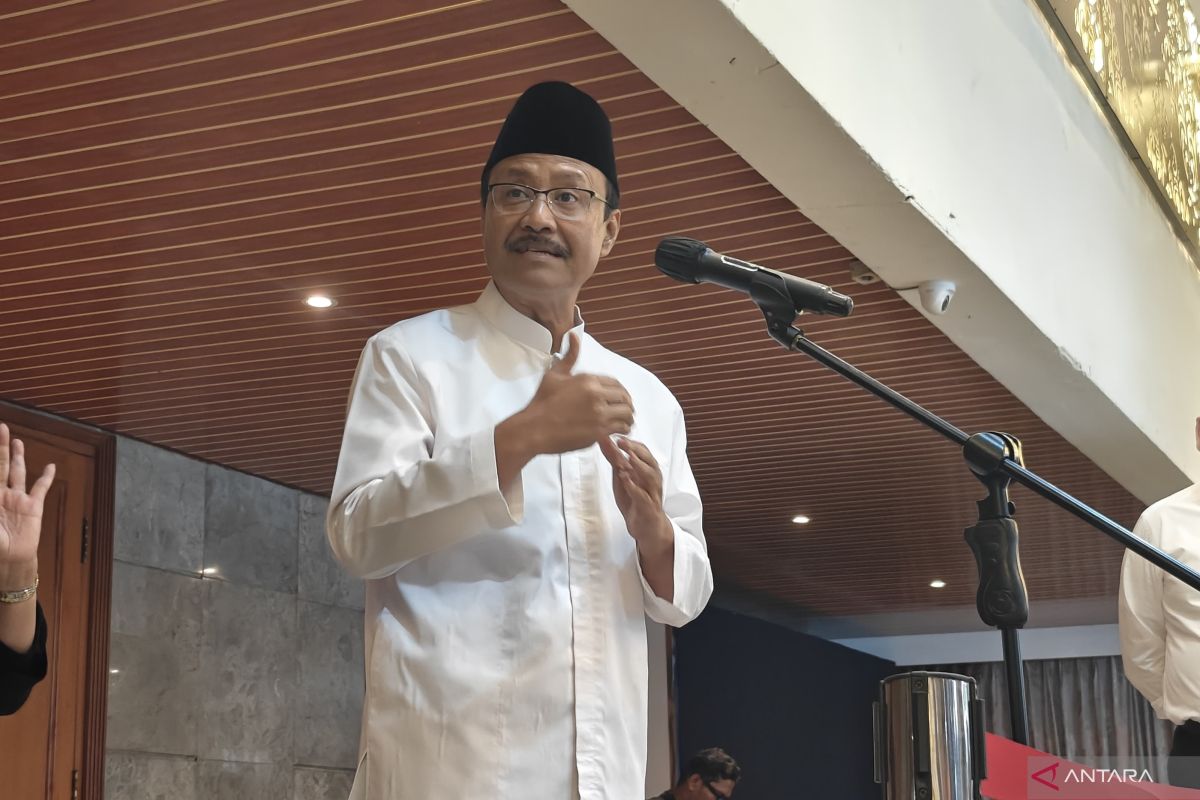
Social Affairs Minister Saifullah Yusuf in Jakarta on Friday (January 9, 2026). (ANTARA/M Riezko Bima Elko Prasetyo)
Jakarta (ANTARA) - The Social Affairs Ministry is studying the transformation of its meal provision program for elderly people and persons with disabilities to be integrated with the Free Nutritious Meals (MBG) program, alongside more support for caregivers.
Social Affairs Minister Saifullah Yusuf, here on Friday, said that in 2025 the ministry will have implemented a meal program for more than 100 thousand elderly beneficiaries nationwide.
The main targets of the elderly meal program run by the ministry are residents aged over 75 years who live alone, as verified through family information card (KK) data, and it may be expanded to younger elderly groups if funding allows.
Besides the elderly, a similar program is also provided to persons with disabilities based on proposals from regional governments that meet certain criteria, with budgetary support already prepared.
Yusuf said that so far meal distribution has been carried out by officers using a door-to-door delivery scheme to beneficiary households, creating service costs at each delivery point.
“Previously, the distribution was carried out by officers, and there were costs for each delivery point, ranging from Rp25 thousand to Rp30 thousand. Therefore, we propose transforming this program into a free nutritious meals program specifically for the elderly and persons with disabilities,” he said.
Therefore, the Ministry is also reviewing the addition of trained and certified caregivers to assist elderly people and persons with disabilities, particularly those living alone and requiring daily care support.
According to him, caregivers will not only deliver meals, but also provide assistance, basic care, and other support in line with the needs of beneficiaries.
“However, this is still at the simulation and assessment stage, yet the opportunity is huge because caregiver demand exists both domestically and abroad. This encourages care economy through job creation,” he explained.
Ministry studies integrated meal program for elderly, disabled people
The Social Affairs Ministry is studying the transformation of its meal provision program for elderly people and persons with disabilities to be integrated ...
 en.antaranews.com

