
hartono
Legendary Member

- Messages
- 17,047
- Joined
- Jun 26, 2012
- Messages
- 17,047
- Reaction score
- 2
- Points
- 125
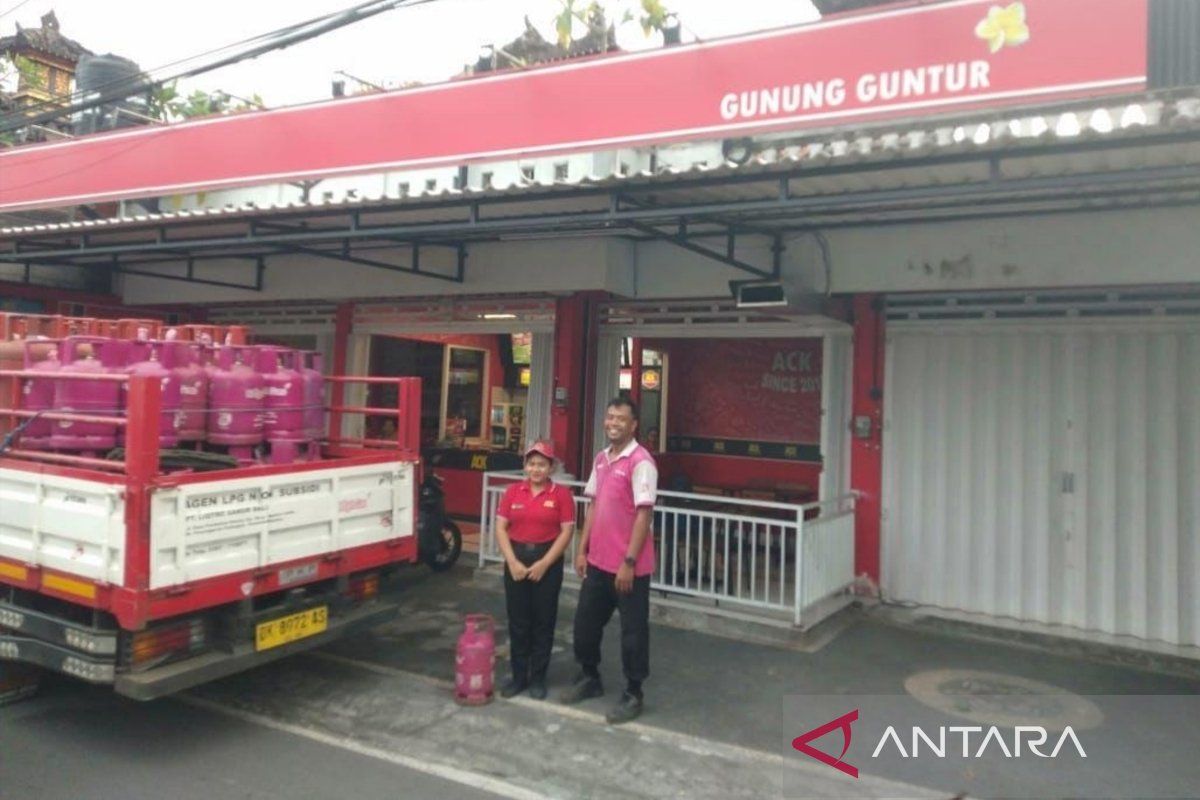
File - Pertamina Patra Niaga expands the market share of non-subsidized liquefied petroleum gas (LPG), including to a fast-food restaurant outlet in Denpasar, Bali, on Thursday (15/1/2026). (ANTARA/HO-Pertamina Patra Niaga)
Jakarta (ANTARA) - The Indonesian government, through state-run oil and gas firm Pertamina, raised the prices of non-subsidized LPG products, increasing 12 kilogram cylinders by 18.75 percent from Rp192,000 to Rp228,000 (around US$13.30 per cylinder).
According to the official site of Pertamina’s subsidiary Patra Niaga in Jakarta on Sunday, the new 12 kilogram cylinder price applies in Jakarta, Banten, West Java, Central Java, Yogyakarta, East Java, Bali, and West Nusa Tenggara.
Meanwhile, the price of non-subsidized LPG in 5.5 kilogram cylinders has increased from Rp90,000 to Rp107,000 (about US$6.24) per cylinder, up 18.89 percent across the provinces.
Prices in other regions were adjusted based on local distribution costs. All changes took effect on April 18.
The price adjustment marks the first since November 2023, when Pertamina cut the per-cylinder price of 12 kilogram LPG by Rp12,000 to Rp192,000.
Irto Ginting, Patra Niaga’s then-corporate secretary, explained that the price decline followed an evaluation of Saudi Aramco’s contract prices for propane and butane, which showed a decrease in the per-kilogram price in rupiah as a result of the rupiah’s appreciation against the US dollar.
Earlier this year, Deputy Speaker of the People’s Consultative Assembly (MPR) Eddy Soeparno warned that LPG prices are closely tied to global crude oil trends. Amid Middle East tensions, the Indonesian Crude Price (ICP) rose to US$102.26 per barrel in March, up US$33.47 from February.
Meanwhile, Director General of Oil and Natural Gas at the Energy and Mineral Resources Ministry Laode Sulaeman said the ICP spike was largely driven by rising security concerns in global shipping lanes.
He noted that the war involving Iran, Israel, and the United States had led to the closure of the Strait of Hormuz for tanker passage, disrupting global energy supplies and pushing prices higher, as the waterway handles 20 percent of the world’s oil trade.
The situation was further aggravated by attacks on energy facilities across the region, he added.
Indonesia raises non-subsidized LPG prices up to 18 percent
The Indonesian government, through state-run oil and gas firm Pertamina, raised the prices of non-subsidized LPG products, increasing 12 kilogram cylinders by ...
 en.antaranews.com


