
hartono
Legendary Member

- Messages
- 17,047
- Joined
- Jun 26, 2012
- Messages
- 17,047
- Reaction score
- 2
- Points
- 125
Indonesia boosts labor-intensive sectors through KIPK program
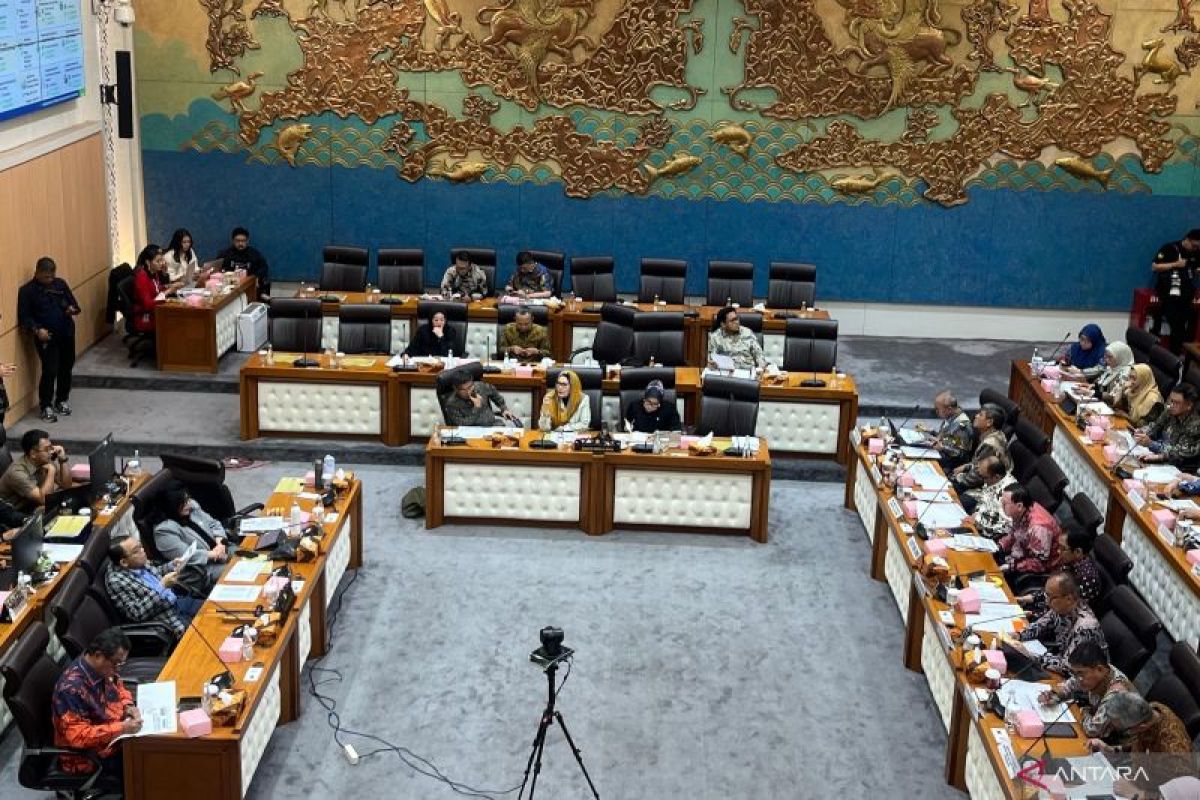
A meeting between Minister of Industry Agus Gumiwang Kartasasmita and Commission VII of the House of Representatives in Jakarta, Monday (6/8/2026). (ANTARA/AMuzdaffar Fauzan)
Jakarta (ANTARA) - The Ministry of Industry continues to increase productivity and competitiveness of labor-intensive industries through the Labor-Intensive Industrial Credit (KIPK) program as a strategic financing scheme to support the revitalization of production machinery and equipment.
Minister of Industry Agus Gumiwang Kartasasmita discussed the program during a meeting with House of Representatives Commission VII in Jakarta on Monday. He said KIPK strengthens labor-intensive industries that contribute heavily to national job absorption.
"The Labor-Intensive Industrial Credit Program (KIPK) is designed as a strategic financing scheme to support the need for machine revitalization and increase productivity in six labor-intensive industrial sectors: food and beverages, textiles, apparel, furniture, footwear, and toys," he said.
The minister explained that KIPK is distributed through 13 banking partners with a total funding ceiling of Rp549 billion, or about $30.2 million. However, data from May 2026 shows that program utilization remains relatively low.
"As of May 2026, the loan ceiling realization had reached Rp91 billion, or about $5 million," he added. "It is still very low at 16.72 percent, serving 26 debtors out of a target of 293."
The use of KIPK is currently concentrated on Java Island. Most participants are located in West Java, Central Java, the Special Region of Yogyakarta, and East Java.
The food and beverage sector is the largest beneficiary, accounting for 55 percent of the facilities. The furniture industry utilizes 20 percent, while the leather, leather goods, and footwear industry stands at 15 percent.
The minister noted that a massive potential remains to increase the utilization of this program.
Therefore, he emphasized the need for collaboration with various parties, including legislators, to expand access to financing for labor-intensive industry players.
Indonesia boosts labor-intensive sectors through KIPK program
The Ministry of Industry continues to increase productivity and competitiveness of labor-intensive industries through the Labor-Intensive Industrial Credit ...
 en.antaranews.com

