BTC
USD
85,592.0
Gold
USD
4,163.99
Time now:
Jun 1, 12:00 AM
fees
-
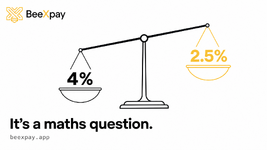
Light KYC or Full KYC? Run the Numbers First
The verification tier question usually gets framed as privacy versus convenience, which sounds significant and hides the fact that there's a simple calculation underneath. Light KYC gives faster setup and lower limits at a 4% reload fee. Full KYC raises limits and cuts the reload fee to 2.5%...- irfanpak10
- Blog entry
- 1 min read
- beexpay crypto card fees kyc tiers verification
- Category: Cryptocurrencies
-
The Questions People Actually Ask, Answered Directly
Recurring questions show where documentation failed better than any internal review, because they reflect where people actually got stuck rather than where someone predicted they might. Three dominate. Which KYC tier to choose — a function of reload volume, not philosophy; multiply monthly...- irfanpak10
- Blog entry
- 1 min read
- beexpay community crypto card faq fees kyc
- Category: Cryptocurrencies
-

The Questions People Actually Ask, Answered Directly
Recurring questions show where documentation failed better than any internal review, because they reflect where people actually got stuck rather than where someone predicted they might. Three dominate. Which KYC tier to choose — a function of reload volume, not philosophy; multiply monthly...- irfanpak10
- Blog entry
- 1 min read
- beexpay community crypto card faq fees kyc
- Category: Cryptocurrencies
-
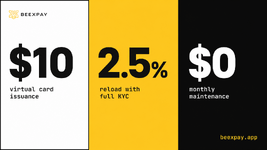
The Complete Fee Schedule, Explained in Three Categories
Fee transparency is claimed constantly and demonstrated rarely, usually because the actual numbers sit buried in a terms document. Here's the whole thing in one place. Issuance is a one-time cost: $10 virtual, $100 physical. Reload is 4% on the standard tier or 2.5% with full KYC. Transaction...- irfanpak10
- Blog entry
- 1 min read
- beexpay crypto card fee schedule fees transparency
- Category: Cryptocurrencies
-
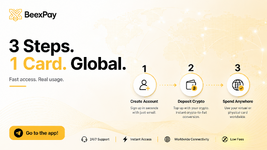
Exchange to Bank, or Straight to a Card? Comparing Both Routes
There are two routes from a crypto balance to an actual purchase, and they're rarely compared side by side because each is usually marketed on its own. The long route — exchange withdrawal, bank transfer, then spending — involves withdrawal fees, possible network costs, bank processing time in...- irfanpak10
- Blog entry
- 1 min read
- beexpay crypto card crypto off-ramp exchange withdrawal fees
- Category: Cryptocurrencies
-
E
CEX Exramz - exramz.com
Do you have an idea to reduce exchange costs in a way that both parties are satisfied? Is there an exchange office based on the idea of cost reduction? Yes, some exchange offices offer their services with newer ideas in such a way that the lowest possible fee is paid. The only way and the best...- exramz
- Thread
- fees market price tron
- Replies: 2
- Forum: CryptoCurrencies